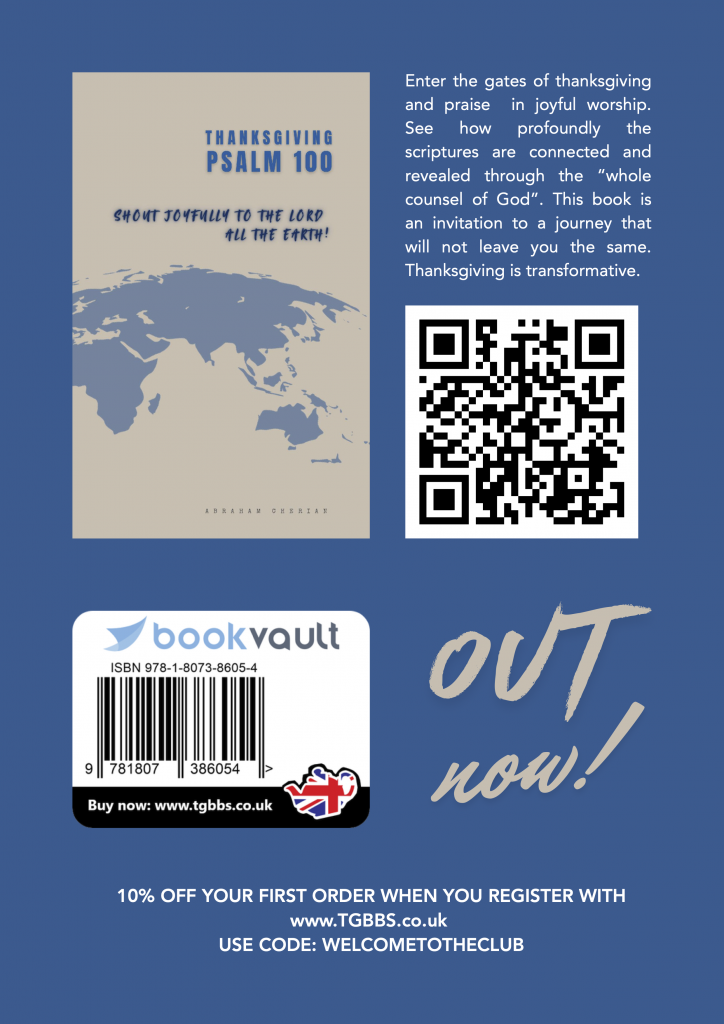
Great news here! For those of you who are unfamiliar with the majority text, here is a summary. Available to purchase from our bookshop here or Bookvault Shop.
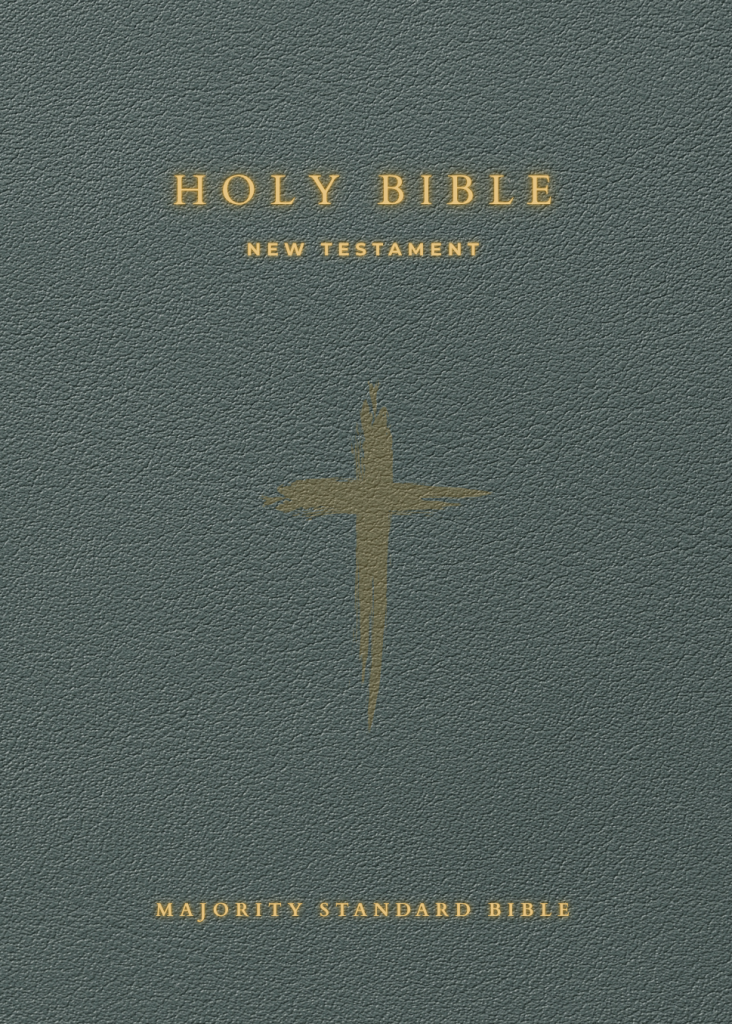
The Majority Standard Bible (MSB) is a modern English translation combining the Berean Standard Bible (BSB) Old Testament with a New Testament translated from the Byzantine Majority Text (specifically the Robinson-Pierpont edition)
Key Features
- Textual Base: Unlike most modern translations (such as the ESV or NIV) which rely on the “Critical Text” or the KJV which relies on the “Textus Receptus,” the MSB follows the majority of surviving Greek manuscripts
- Translation Style: “The Majority Standard Bible (MSB) is considered to be very similar in translation style to the New International Version (NIV),” according to The Puritan Board, offering a transparent connection between English words and original root meanings.
- Footnotes & Variants: The MSB provides footnotes highlighting translatable variants from modern critical texts, as well as major differences between the Majority Text and the Textus Receptus.
- Accessibility: Because it is entirely free of copyright restrictions, it can be freely downloaded, licensed, and used for printed works, public reading, and study.
We have produced a printed copy of the New Testament Majority Text and is being sold at cost price for access and affordability. It is available for purchase from both the Bookvault Shop and the Great British Bookshop at £6.00. Postage is extra. Please note this only the New Testament in Perfect bound form (Paperback).
The primary difference between the Majority Text and the Critical Text lies in how scholars choose which ancient Greek manuscripts to trust when translating the New Testament.
Here is a direct breakdown of how these two textual traditions compare.
Core Differences
- Majority Text (Byzantine Text-Type): Base choices on the sheer quantity of surviving manuscripts. It prioritizes the readings found in the vast majority (around 80–90%) of Greek manuscripts, most of which date from the 9th to the 16th centuries.
- Critical Text (Alexandrian Text-Type): Base choices on the age and diversity of manuscripts. It prioritizes the oldest available fragments and codices (mostly from the 2nd to 4th centuries), even if they are fewer in number.
Contrast Chart
| Feature | Majority Text | Critical Text |
|---|---|---|
| Manuscript Count | Thousands of copies | Relatively few copies |
| Historical Age | Mostly medieval (later) | Antiquity (earlier) |
| Primary Region | Byzantine Empire (East) | Alexandria, Egypt (South) |
| Philosophy | God preserved the text through constant copying and widespread church use. | Older manuscripts are closer to the originals and have fewer copying errors. |
| Key Bibles | Majority Standard Bible (MSB), World English Bible (WEB) | ESV, NIV, NASB, NLT, CSB |
Key Examples of Differences
The Critical Text often lacks certain words, verses, or phrases found in the Majority Text, viewing them as later scribal additions.
- The Ending of Mark (Mark 16:9-20): Fully included in the Majority Text. The Critical Text includes it but notes that the oldest manuscripts omit it.
- The Woman Caught in Adultery (John 7:53–8:11): Fully included in the Majority Text. The Critical Text brackets this story, noting it is absent from early manuscripts.
- The Doxology of the Lord’s Prayer (Matthew 6:13): The Majority Text includes “For Yours is the kingdom and the power and the glory forever. Amen.” The Critical Text omits this phrase.