What is a “SCRIPTOGRAM” ?

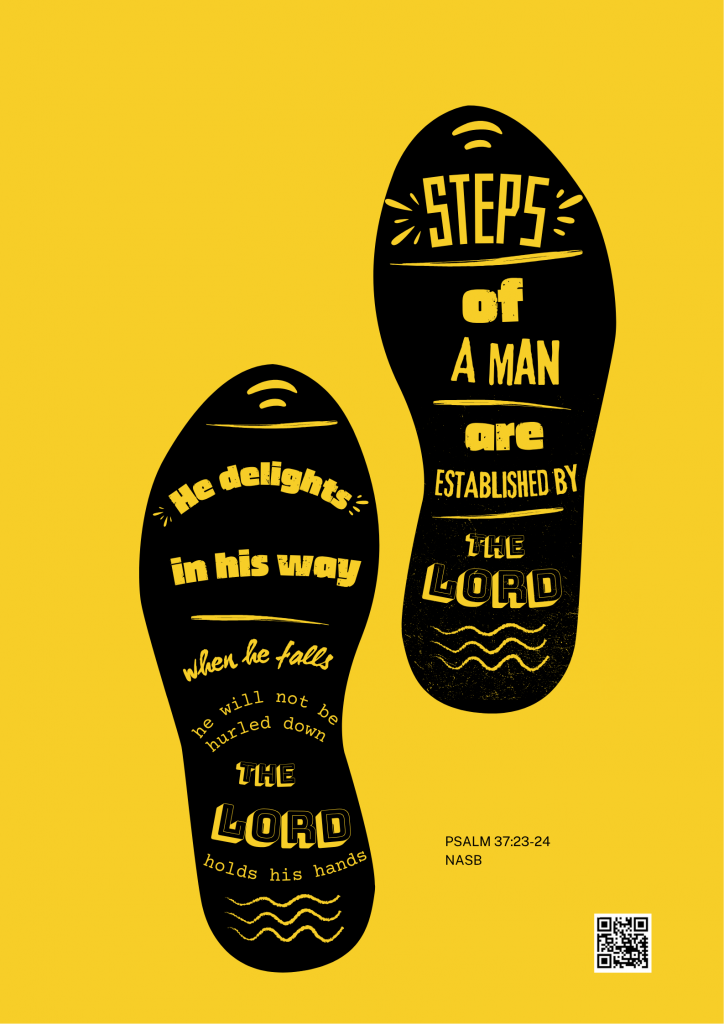
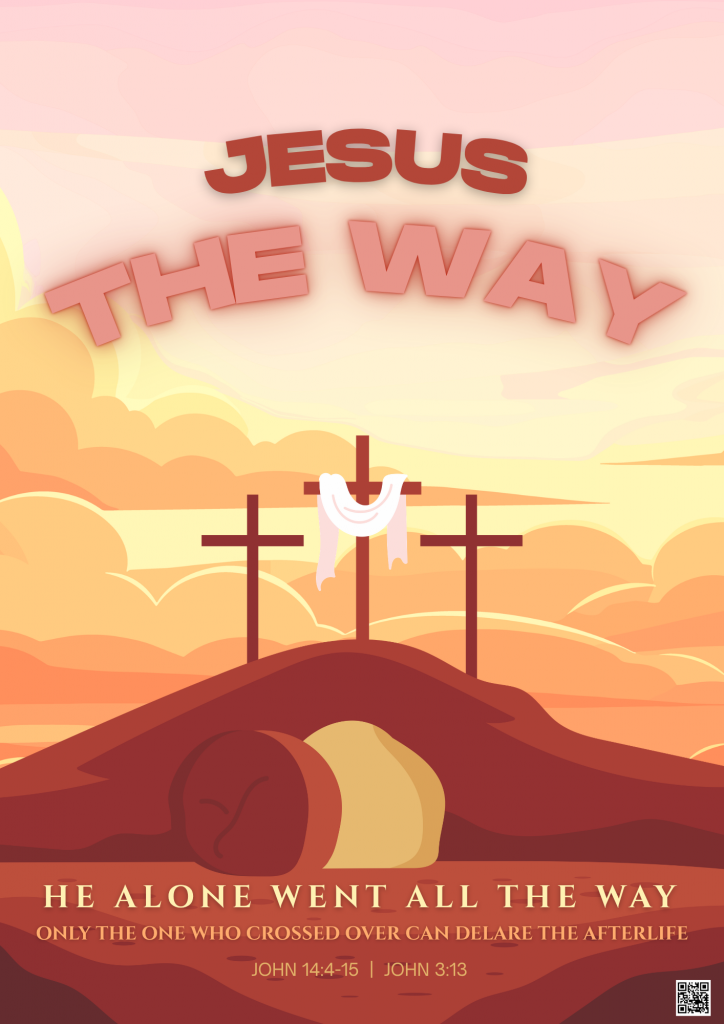
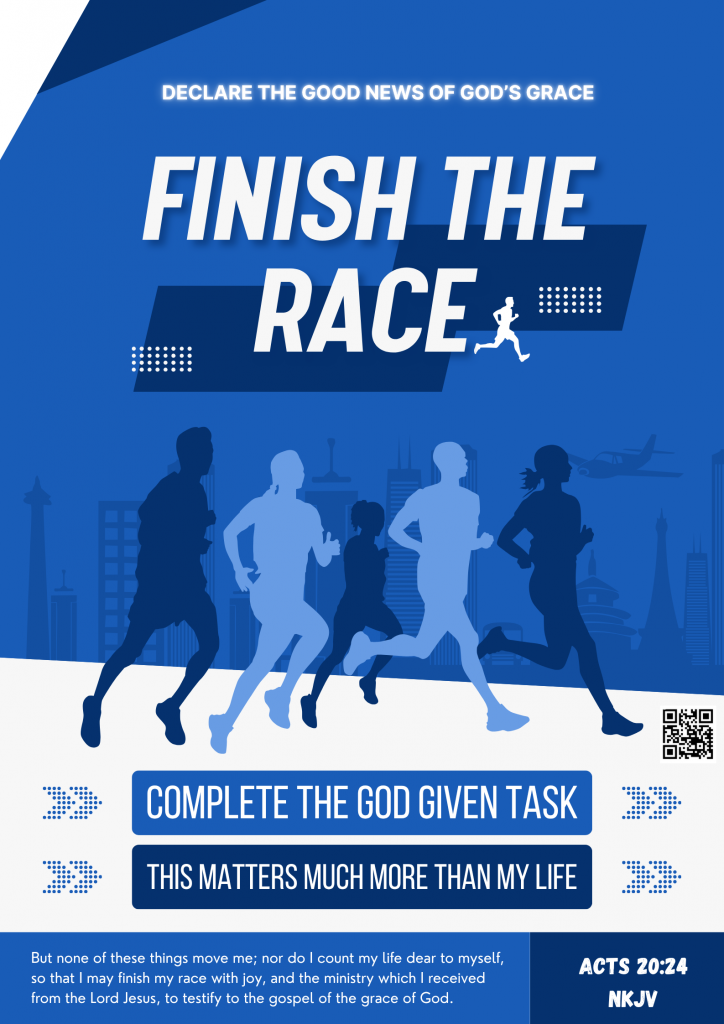
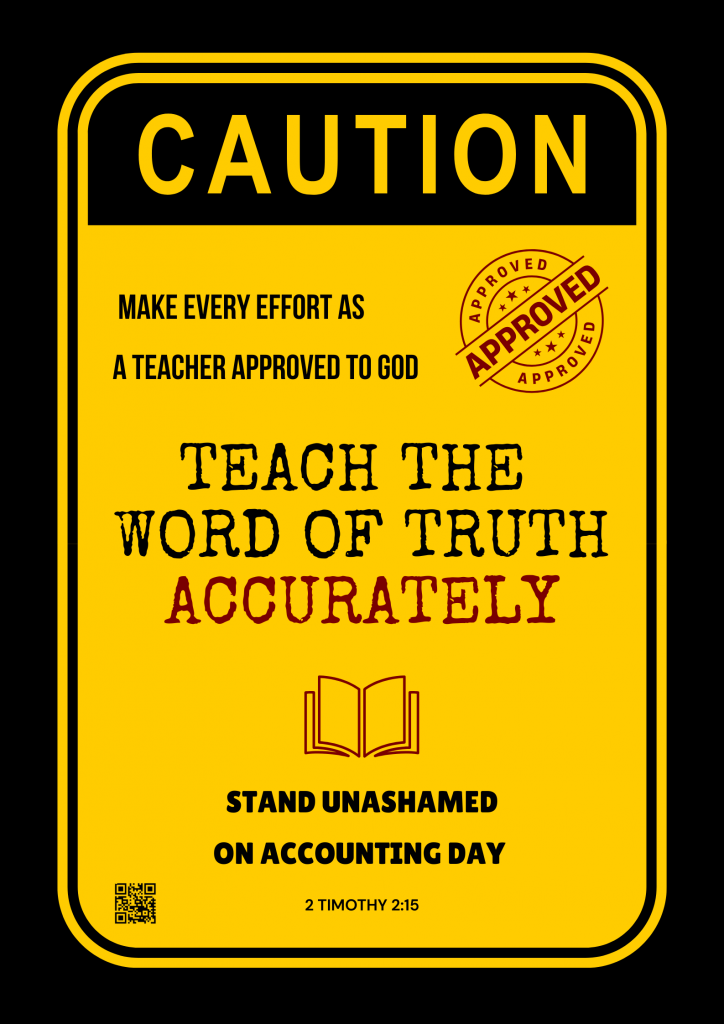
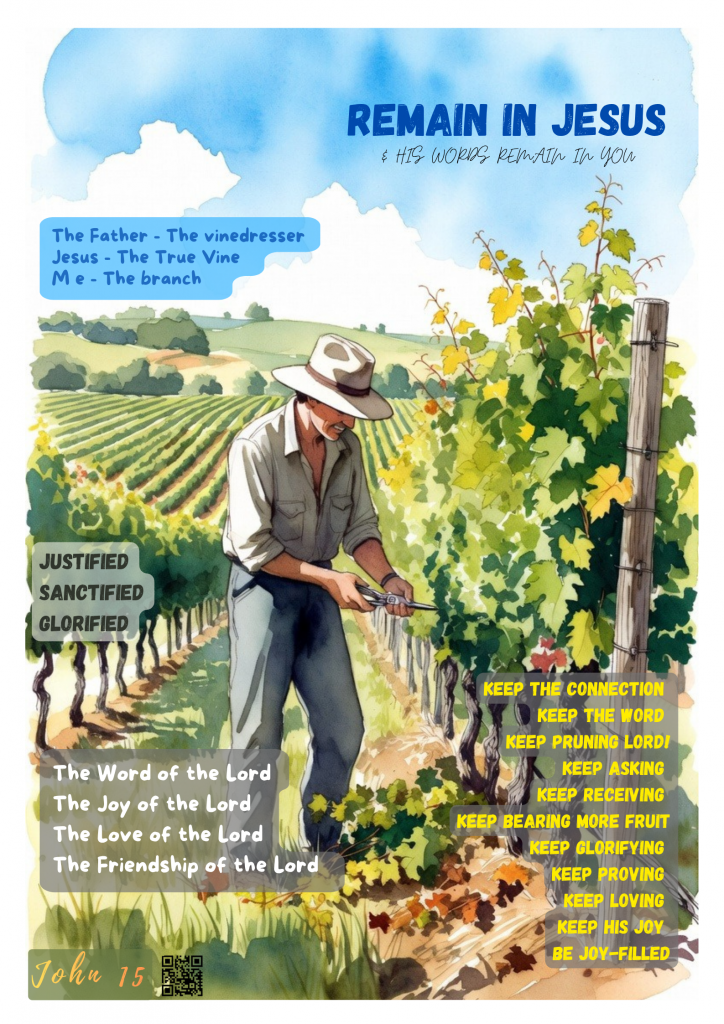
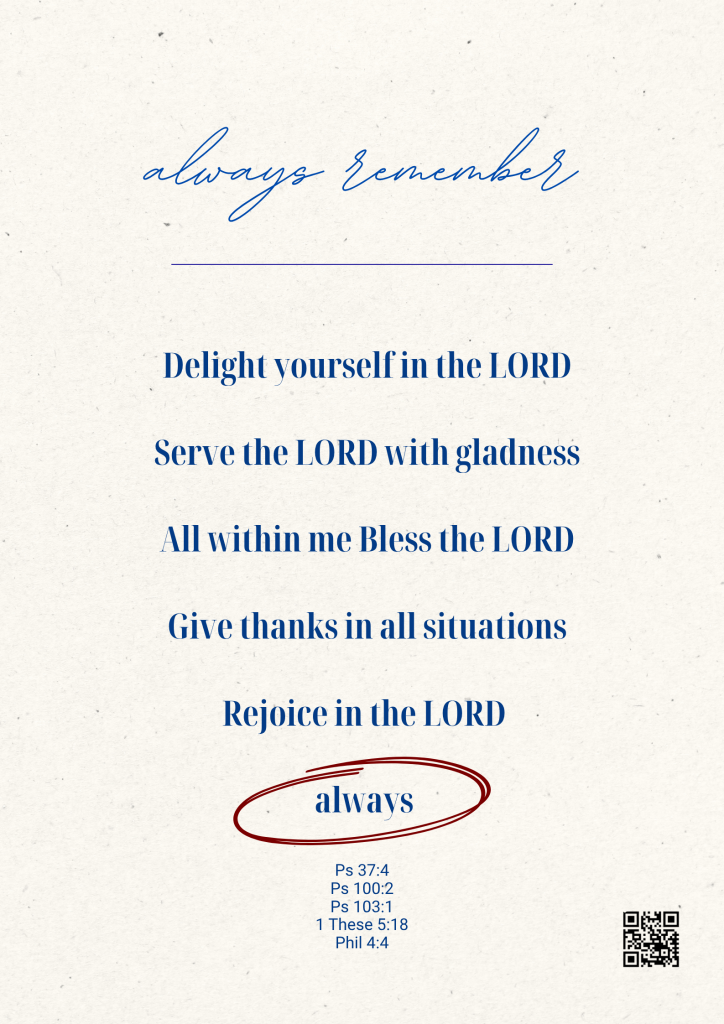
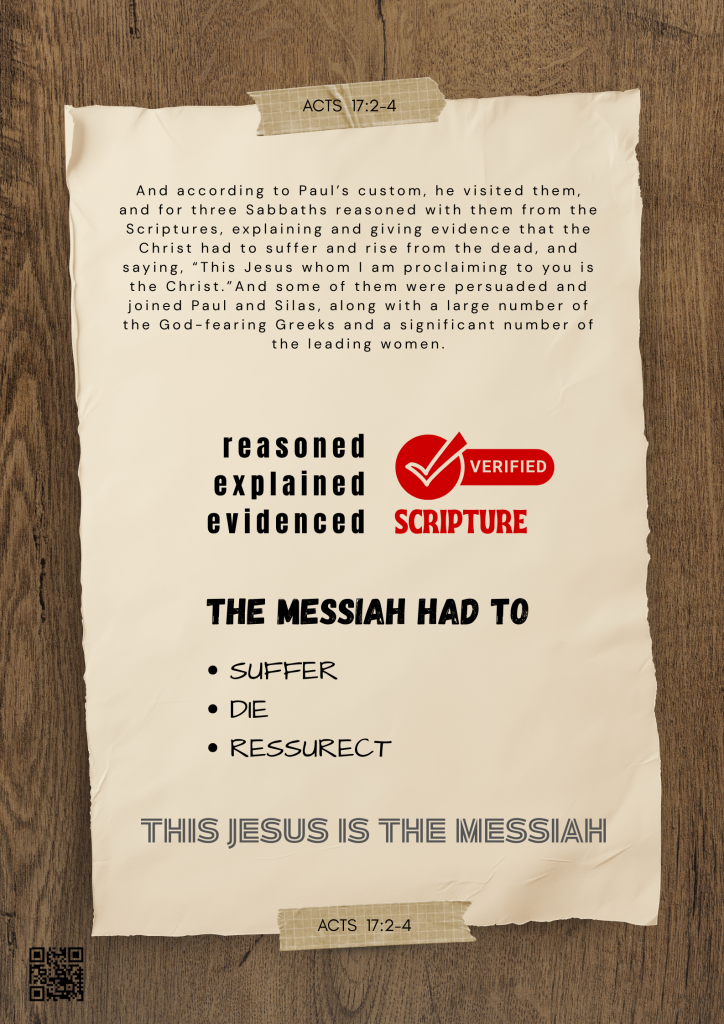
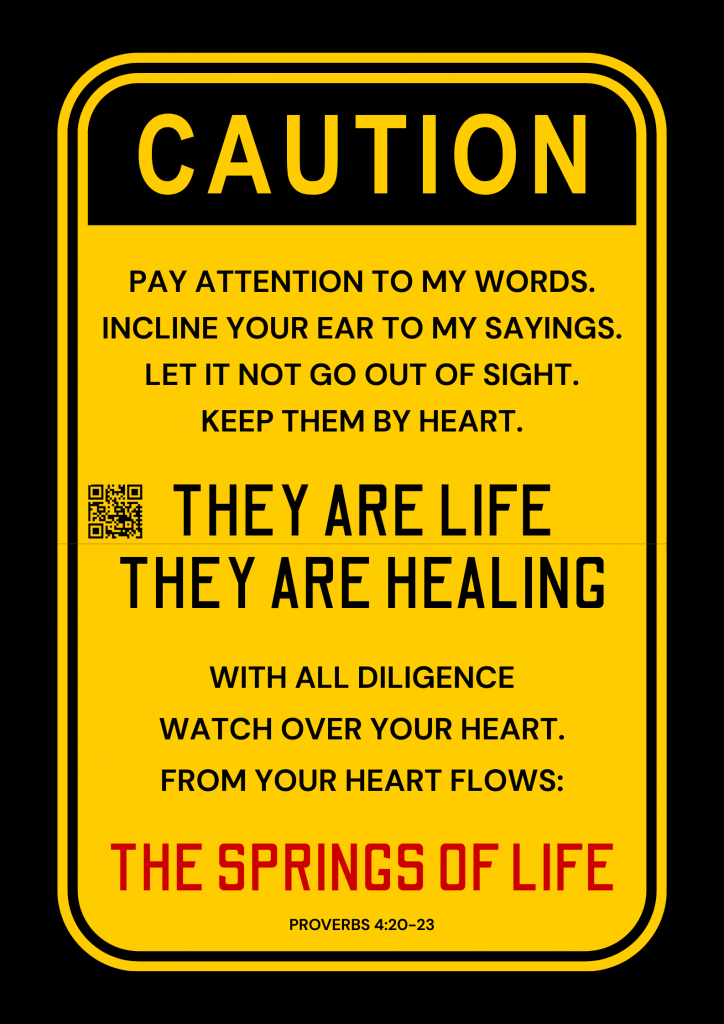
Well, no defined usage or synonym exists and does not appear in any major dictionaries, so I will take the initiative to assign at least one usage of the term. It is a blend or fusion of “scripture” (the Bible) and “diagram”. It is a visual or diagrammatic presentation of Biblical scripture – a verse or verses, passage or passages or a theme rooted in the WORD of God. You will find many examples of this, here on this website. Some have been included below.

To clarify the concept, take for example the first scriptogram below connecting John 15 and Philippians 4:13. Jesus relates to us in John 15 that to bear fruit we have to be in Him, obeying Him and following Him, without which we cannot do anything of value in His Kingdom. It contrasts with Paul’s writing and confidence in Jesus that he can do all things in the midst of life’s challenges. The illustration draws forth both truths together to remind us about the “whole counsel of God”.

Simply put:

A scriptogram is a visual or diagrammatic presentation of Biblical scripture.

A scriptogram is a visual diagram that brings Biblical verses or themes to life

Scriptograms connect scripture so one can see and remember God’s truth more clearly.

Scriptogram= Scripture + Diagram.

Most readings of the Bible are linear but scriptograms make it relational.

Not just a verse but a scriptogram for the day.

The Simple Faith of the Simple-Minded

Read Mark 5:25–34

It is striking how Scripture presents the two individuals Jesus responds to in the crowd. One is Jairus, a synagogue official. He has a name. His position is recorded. His role is clear. The other is simply described as “a woman who had been subject to bleeding for twelve years.” She is unnamed, unidentified by status or family, and known only by her condition. A nobody if it weren’t for their infirmity. This is often how we know people, even in the church. Known by their weakness. Defined by their struggle. Remembered by their infirmity. Many of us would identify with this situation. People don’t remember meeting us, don’t  remember our names and often identify us as someone’s wife or brother. We are a nobody. 

Scripture also tells us that Jesus Himself was identified by suffering. “He was despised and rejected by mankind, a man of suffering, and familiar with pain” (Isaiah 53:3). He was also “known by His stripes”, marks of suffering that became the means of healing (Isaiah 53:5). While we often focus on His authority, power, and miracles, we must not forget, Jesus knew suffering from the inside and was also known by it. 

On that very day, many important people were present, officials, leaders, influential voices, educated minds, physicians, and scholars. None of them entered Scripture. None of them are remembered. But this woman is. 

We must however acknowledge that she was remembered not because she suffered, but because of how she responded to suffering. Suffering alone is not the qualification. It becomes significant only because it often produces the right response: reaching out to God in faith. She was suffering from the bleeding disorder long before her encounter with Jesus. Her story is remembered not for her pain, but for her response. Her attitude. Her view of Jesus. Her faith expressed in action. 

This was not refined faith. It was not sophisticated or polished. It was raw, desperate, and unschooled. “If I just touch His clothes, I will be healed” (Mark 5:28). That was her theology. That was her doctrine. And it was enough. She had not studied Scripture. She did not know the Law like the Pharisees. Yet Scripture warns, “Knowledge puffs up while love builds up” (1 Corinthians 8:1). The Pharisees had knowledge, but it did not transform them. This woman had faith, and it changed everything.

Jesus Himself affirmed the principle: “According to your faith let it be done to you” (Matthew 9:29). And it was done to her exactly as she believed. There was no doctrine of garment-touching. No ministry built around it. No conference held to explain it. She simply believed Jesus was who He said He was, and that He could heal.

And He did. She went home healed and whole. Anonymous. Uncelebrated by society. But eternally recorded in Scripture. Her story has taught generations more than volumes of theological debate ever could.

This confronts us uncomfortably. Many of us know Scripture deeply. We analyse, expound, debate, attend conferences, and complete modules. Yet how often are our lives unchanged? Our knowledge has increased, but our transformation has stalled. Meanwhile, a woman with no credentials touched Jesus (literally) and was made whole. The simple faith of the simple-minded puts us to shame. There is a sobering warning from Jesus Himself: “Not everyone who says to Me, ‘Lord, Lord,’ will enter the kingdom of heaven… Then I will tell them plainly, ‘I never knew you’” (Matthew 7:21–23). Knowledge without relationship is empty. Words without faith are hollow. Being touched by his healing hands often requires us to step out of the crowd in faith and shamelessly touch him in faith and desperation. What we need is not more explanation, but more encounter.

Lord Jesus, Strip away my pride in knowledge and position. Give me a simple heart and an undivided faith. Teach me to reach for You without pretence, to believe without complication, and to act without hesitation. I do not want to know about You, I want to know You. Make my faith living, active, and real. Amen.

Close Encounters at the Cross

Luke 23:39-43 (NASB 2020)One of the criminals who were hanged there was hurling abuse at Him, saying, “Are You not the Christ? Save Yourself and us!” But the other answered, and rebuking him said, “Do you not even fear God, since you are under the same sentence of condemnation? And we indeed are suffering justly, for we are receiving what we deserve for our crimes; but this Man has done nothing wrong.” And he was saying, “Jesus, remember me when You come into Your kingdom!” And He said to him, “Truly I say to you, today you will be with Me in Paradise.”

Three men hung on crosses in agony, shame, and death’s shadow. Yet amid their suffering, a conversation took place that reveals the eternal difference between knowing about Christ and truly receiving Him as Saviour.

The First Thief: Knowledge Without Repentance. The first criminal mocked Jesus: “Are You not the Christ? Save Yourself and us!” He recognised Jesus as the Messiah with power to save, but he showed no remorse for his own sins. His only desire was escape from present pain. He addressed Jesus impersonally as “the Christ,” never turning to Him as Saviour. He wanted temporary relief, not eternal salvation. Knowledge alone was not enough.

The Second Thief: Repentance That Saves. The other thief responded very differently. He rebuked his companion and confessed his guilt: “We are suffering justly… but this Man has done nothing wrong.” He accepted his punishment as deserved, acknowledged Jesus’ innocence, and showed reverent fear of God. Then he turned personally to the Lord:“Jesus, remember me when You come into Your kingdom!” He called Him “Jesus”-the personal name meaning “the Lord saves.” He asked for nothing in this life; only to be remembered in the world to come. In simple faith and repentance, he placed his eternity in Jesus’ hands. Jesus answered with grace: “Truly I say to you, today you will be with Me in Paradise.”

Lessons from the Cross. Both thieves knew the Man in the center was the Christ. Only one repented and trusted Him as Saviour.

  • One feared only death.
  • The other feared God.
  • One sought relief from the cross.
  • The other sought salvation from eternal judgment.

The second thief had no time for church, baptism, or good works — yet he was saved instantly because he repented and believed.

A Daily Walk of Repentance. For believers today, repentance does not end at conversion. The Greek word metanoia means a change of mind – a continual turning from sin toward God. Every day we must deal with the lust of the flesh, the lust of the eyes, and the pride of life as God sanctifies us and conforms us to the image of His Son.

God desires truth in the innermost being. Daily repentance keeps our hearts tender and our walk close to Jesus.

Lord Jesus, thank You for the mercy You showed the thief on the cross. Create in me a heart that truly fears You, confesses sin honestly, and turns to You daily in repentance. Help me to know You not just as Christ, but as my personal Saviour and Lord. Amen.