The Catwalk in Church

Matthew 6:1-2 (NASB 2020)
1 “Take care not to practice your righteousness in the sight of people, to be noticed by them; otherwise you have no reward with your Father who is in heaven.
2 “So when you give to the poor, do not sound a trumpet before you, as the hypocrites do in the synagogues and on the streets, so that they will be praised by people. Truly I say to you, they have their reward in full.

Every morning, we clothe ourselves before stepping outside. We may be comfortable being naked when we are alone, but before people we cover ourselves—to hide shame and preserve dignity. Clothing was never about display first; it was about covering. Yet what we do with our bodies, we now do with our character. We dress it up. We present a version of ourselves fit for public consumption. The way we speak to loved ones at home is rarely the tone we use in public. The patience we display in church is often absent in private.

And this hypocrisy does not stop at the church door, it often finds its loudest expression there. In the very place meant to be centred on God, many of us perform for one another. The church becomes a stage, not an altar. It is not uncommon to see believers speaking loudly in tongues, weeping openly, displaying so-called manifestations of the Spirit, and offering long, dramatic, emotionally charged prayers. But the question must be asked, and it must be asked honestly: Is this the cry of the Spirit, or the costume of religion? Is this worship, or is it performance?

God is not impressed by volume, length, or theatrics. Heaven does not applaud what is done to be seen by men. What moves people does not move God. Fashion, as we know it, came much later in human history. In the beginning, clothing existed for one reason: to cover shame. Even today, at its best, clothing serves modesty and necessity. But in church, many have reversed this purpose. What should have covered the flesh has become a catwalk for the ego.

We walk into church and turn it into a catwalk, displaying our spirituality, advertising our maturity, and seeking honour from fellow believers. We measure anointing by attention and depth by visibility. We crave to be noticed, recognised, and affirmed. And the most dangerous part? We deceive ourselves. We cloak self-promotion in spiritual language. We tell ourselves we are “edifying the church” or “encouraging others,” when in truth we are projecting ourselves. What we call ministry is often performance. What we call zeal is often pride. What we call the Spirit may simply be the flesh dressed in religious clothing. God is not looking for better performances. He is looking for truth in the inner man.   

Detestable Defensiveness

The Pharisees, who loved money, heard all this and were sneering at Jesus. He said to them, “You are the ones who justify yourselves in the eyes of others, but God knows your hearts. What people value highly is detestable in God’s sight. Luke 16:14-15 (NASB 2020)

When Adam and Eve ate from the tree God had clearly forbidden, they immediately realized they were naked and became ashamed. Their first response was not repentance, coming before God honestly in their nakedness, but self-justification, an attempt to cover their shame. Adam blamed Eve. Eve blamed the serpent. Neither simply said, “I was wrong.” This instinct to explain ourselves, defend our actions, and shift responsibility is deeply rooted in human nature. Scripture shows us that this impulse did not come from God; it entered through sin.

Adam and Eve used fig leaves to “solve” their problem. This is the spirit of the fig leaf. Instead of coming honestly before God, we try to cover ourselves. Instead of humility, we reach for excuses. Instead of confession, we offer explanations. And Jesus makes it unmistakably clear how God views this, He finds it detestable.

In Luke 16:15, Jesus confronts the Pharisees, men who appeared righteous, convincing, and respected. He exposes their hearts by saying, “You are those who justify yourselves.” What is admired and applauded among people, He says, is detestable in the sight of God. Self-justification may look reasonable, intelligent, and even spiritual in human eyes, but God sees it as repulsive.

We often assume the main issue is the mistake itself. But Scripture reveals something deeper: God is far more offended by our defensiveness than by our failure. True humility is not found in proving we were right; it is found in admitting we were wrong. God is not impressed by explanations; He is drawn to repentance.

This is a work of the Devil that we must identify, acknowledge, and destroy. Humility is key to negotiate this. Jesus came to destroy the works of the devil: the instinct to defend ourselves instead of surrendering. The moment we stop justifying ourselves before people and begin humbling ourselves before God, freedom begins. God already knows our hearts. Nothing is gained by hiding, but everything is restored through honest repentance.

Lord, deliver me from the need to justify myself. Remove every trace of defensiveness from my heart. Teach me to respond to correction with humility, not excuses. Give me the grace to say, “I was wrong,” and to trust Your mercy more than my own explanations. Help me to live uncovered before You, rather than covering myself before people. Amen.

His creation shouts for joy!

How awesome is His creation! Even the inanimate express their joy. How is that possible ? By simply existing according to divine design, with everything from the sun and stars to animals and plants reflecting God’s glory, creativity, and power.

Psalms 19:1 The heavens tell of the glory of God; And their expanse declares the work of His hands. Psalms 96:11-12. May the heavens be joyful, and may the earth rejoice; May the sea roar, and all it contains; May the field be jubilant, and all that is in it. Then all the trees of the forest will sing for joy

Romans 1:20. For since the creation of the world His invisible attributes, that is, His eternal power and divine nature, have been clearly perceived, being understood by what has been made, so that they are without excuse.

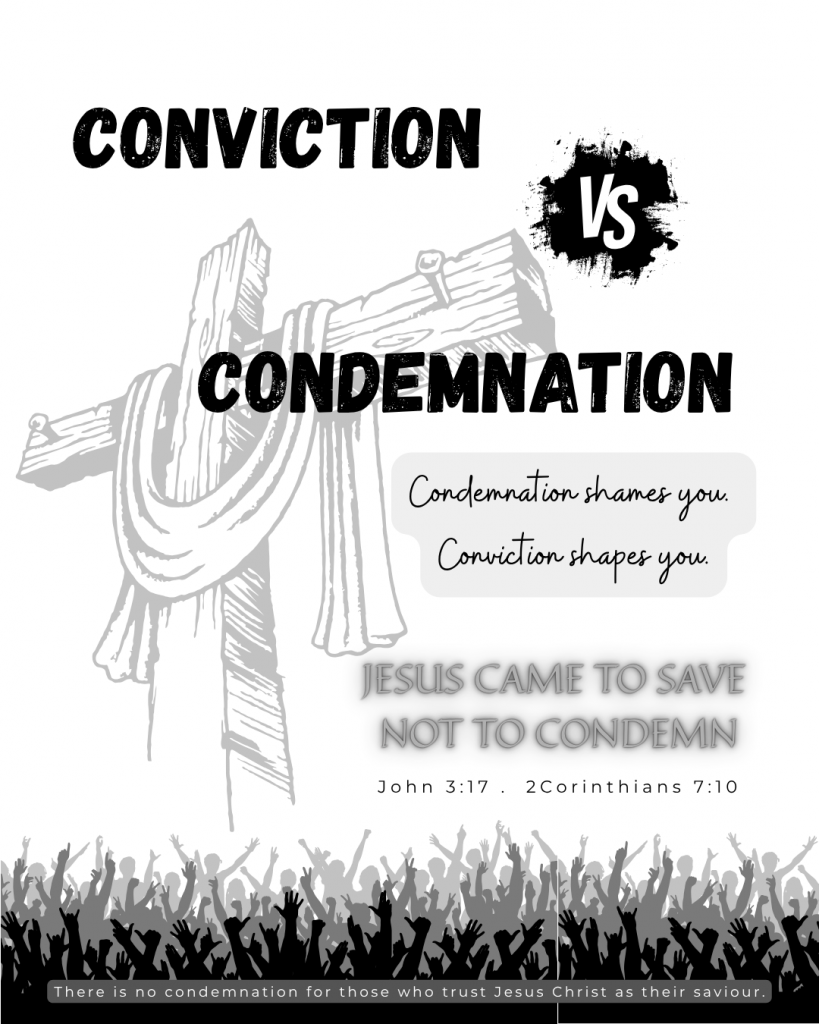
Today is the day to acknowledge Him and His provision for salvation. Do not ignore it. He loves us and sent His Son, Jesus to save us and not to condemn us.

For all to be conformed

People often question or wonder what our purpose here is. It is simple. The Bible tells us that we are to be transformed into the nature(image) of Jesus Christ, the Son of God.

The key verse is in Romans chapter 8.

Romans 8:29 (NASB 2020)
For those whom He foreknew, He also predestined to become conformed to the image of His Son, so that He would be the firstborn among many brothers and sisters;

Firstly ALL THINGS work together – Romans 8:28
And we know that God causes all things to work together for good to those who love God, to those who are called according to His purpose. He is the only one who can do this – bad to good! So not everything that is bad is bad, for He uses these circumstances too for that purpose.

Secondly He gives ALL THINGS – Romans 8:32
He who did not spare His own Son, but delivered Him over for us all, how will He not also with Him freely give us all things? He does not withhold anything that is beneficial for this transformation – to become like this Son.

Lastly we are more than conquerors in ALL THINGS – Romans 8:37
But in all these things we overwhelmingly conquer through Him who loved us. We can win! But don’t forget the purpose – it is to be conformed to His likeness.

Thanksgiving – 3Rs

3 Rs

Remember/Remind – Who He is , What He has done, What He has given.

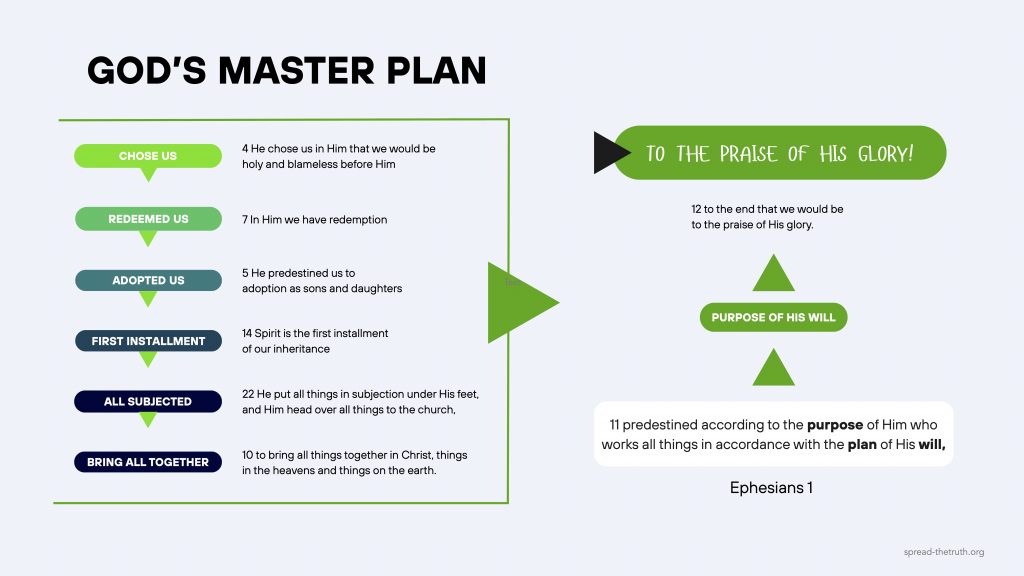
Reflect/Ruminate – Spend time, investigate His word, study it and understand the riches of how deep, wide, long and high is His “every spiritual blessing” Ephesians 1:3

Respond/Reciprocate – with a “thank offering”

1Samuel 15:22 Samuel said, “Does the LORD have AS much delight in burnt offerings and sacrifices AS in obeying the voice of the LORD? Behold, to obey is BETTER than a sacrifice, And to pay attention is BETTER than the fat of rams.

You see on closer examination it is a comparison of two things here. It doesn’t say stop your sacrifices, what it says is that you have neglected a weightier matter and you are sort of trying to make up with a ritual. That’s not going to cut it. Those sacrifices were offered as a cover up for disobedience. It is displeasing in His sight. So, let’s get it right. That is why the New Testament talks about a pleasing sacrifice, holy and acceptable before Him.

The first one is from Hebrews 13:15-16 Through Him then, let’s continually offer up a sacrifice of praise to God, that is, the fruit of lips praising His name. And do not neglect doing good and sharing, for with such sacrifices God is pleased.Don’t miss out the “fruit” here. Our spoken praise, thanksgiving, doing good and sharing are all fruits that consequently happens, that are sacrifices pleasing to God.

Here is the second one. Romans 12:1-2 Therefore I urge you, brothers and sisters, by the mercies of God, to present your bodies as a living and holy sacrificeacceptable to God, which is your spiritual service of worship. And do not be conformed to this world, but be transformed by the renewing of your mind, so that you may prove what the will of God is, that which is good and acceptable and perfect.

Note the plurality of the word, “mercies”, in response, offer your body as a thank offering, which is your reciprocation.

Offer your bodies – to God, set apart, not conforming to the world, not doing, seeing, speaking, hearing, thinking and going, like the world. So not just professing we are Christians but also walking very different from the world – this is a transformed life. Our attitudes and thinking need to change, our priorities need to change, and our investments need to change. This is the expression of thanksgiving.

Cultivate a habit and attitude of thanksgiving at the start, at end of the day and every waking moment in between. Don’t hang up !

What is Jesus doing now ?

Past: Ministry of Reconciliation 2 Corinthians 5:18-19

Future: Ministry of the King Luke 1:32-33 

Now: Ministry of Intercession Hebrews 7:24-25, Romans 8:34, 1 John 2:1


Q. But what exactly is Jesus interceding for us? 3 P’s

  • Protection. John 17:11-15, Luke 22:31-32
  • Preservation in suffering. Romans 8:31-37, Hebrews 4:15-16
  • Pardon for sin now. 1 John 2:1-2

Because of the cross and the resurrection, He is our living, sympathetic intercessor, continually praying now for our protection, our preservation through suffering and our pardon now if we sin. As we go to sleep every day He continues praying for us.